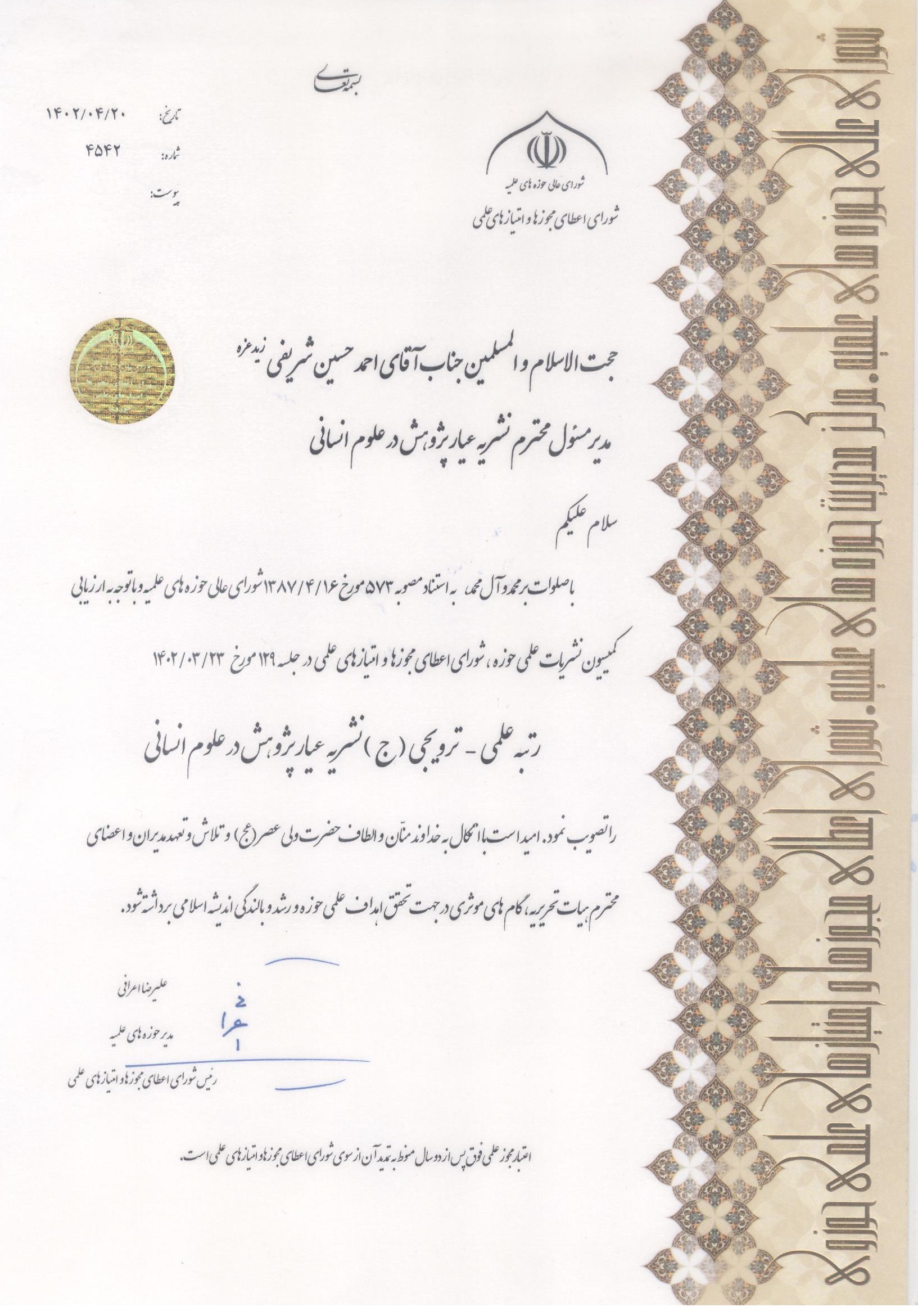
This article will be published in future issues of Ravesh Shenasi Pazhuhesh Dar Olum Ensani.
Exploring Grounded Theory Methodology as an Effective Qualitative Research in Educational Systems
Article Type:
Promotional
Writers:
✍️ Seyfollah Fazlollahi Ghamshi / دانشیار گروه علوم تربیتی، دانشکده علوم انسانی، دانشگاه طلوع مهر، قم، ایران / fazlollahigh@tolouemehr.ac.ir
/ دانشیار گروه علوم تربیتی، دانشکده علوم انسانی، دانشگاه طلوع مهر، قم، ایران / fazlollahigh@tolouemehr.ac.ir 10.22034/pajohesh.2025.5001745⏳
Abstract:
Grounded Theory is a qualitative research method that relies on empirical data and contributes to the development of new theories in less-explored domains. This study aims to examine various approaches to Grounded Theory and analyze its application in educational systems. The findings indicate that Grounded Theory, through inductive methods, in-depth interviews, and field observations, has the capacity to derive comprehensive theoretical models from educational phenomena. The coding process consists of open, axial, and selective coding, which facilitates the identification of key concepts and the formulation of a theoretical framework. However, this method faces challenges such as the time-intensive nature of data analysis, methodological discrepancies, and limitations in validation criteria. The results of this study can contribute to the development of evidence-based educational policies and the improvement of educational processes. Moreover, the integration of mixed-method approaches, qualitative data analysis software, and data mining techniques can enhance the accuracy of analyses. Ultimately, this research provides a more comprehensive understanding of Grounded Theory in the field of education and enables its application in improving teaching methods and educational policymaking
چکیده و کلیدواژه فارسی (Persian)
Title :واکاوی روششناسی گراندد تئوری بهعنوان یک پژوهش کیفی مؤثر در سیستمهای آموزشی
Abstract:
نظریه زمینهای (گراندد تئوری) یکی از روشهای پژوهش کیفی است که بر دادههای تجربی تکیه دارد و به تولید نظریههای جدید در حوزههای کمتر بررسیشده کمک میکند. این پژوهش باهدف بررسی رویکردهای مختلف این نظریه و تحلیل کاربرد آن در نظامهای آموزشی انجام شده است. یافتهها نشان میدهند که گراندد تئوری با بهرهگیری از روشهای استقرایی، مصاحبههای عمیق و مشاهدات میدانی، توانایی استخراج مدلهای نظری جامع از پدیدههای آموزشی را دارد. فرآیند کدگذاری شامل مراحل باز، محوری و انتخابی است که به شناسایی مفاهیم کلیدی و تدوین چارچوب نظری منجر میشود. بااینحال، این روش با چالشهایی مانند زمانبر بودن تحلیل دادهها، تفاوتهای روششناختی و محدودیت معیارهای اعتبارسنجی مواجه است. نتایج این پژوهش میتواند به توسعه سیاستهای آموزشی مبتنی بر شواهد و بهبود فرایندهای آموزشی کمک کند. همچنین، استفاده از رویکردهای ترکیبی، نرمافزارهای تحلیل کیفی و تکنیکهای دادهکاوی میتواند دقت تحلیلها را افزایش دهد. درنهایت، این پژوهش به درک جامعتری از گراندد تئوری در حوزه آموزش کمک کرده و امکان بهرهگیری از آن در بهبود روشهای تدریس و سیاستگذاری آموزشی را فراهم میکند.
Copyright © The Author(s). This article is published under the Creative Commons Attribution-NonCommercial 4.0 International License.
Cite this article:
RIS
Mendeley
BibTeX
APA
MLA
HARVARD
VANCOUVER
mondalizadearani, tayebe, Fazlollahi Ghamshi, Seyfollah. () Exploring Grounded Theory Methodology as an Effective Qualitative Research in Educational Systems. Ravesh Shenasi Pazhuhesh Dar Olum Ensani, (), - https://doi.org/10.22034/pajohesh.2025.5001745.
tayebe mondalizadearani; Seyfollah Fazlollahi Ghamshi."Exploring Grounded Theory Methodology as an Effective Qualitative Research in Educational Systems". Ravesh Shenasi Pazhuhesh Dar Olum Ensani, , , , -
mondalizadearani, T, Fazlollahi Ghamshi, S.() 'Exploring Grounded Theory Methodology as an Effective Qualitative Research in Educational Systems', Ravesh Shenasi Pazhuhesh Dar Olum Ensani, (), pp. -